


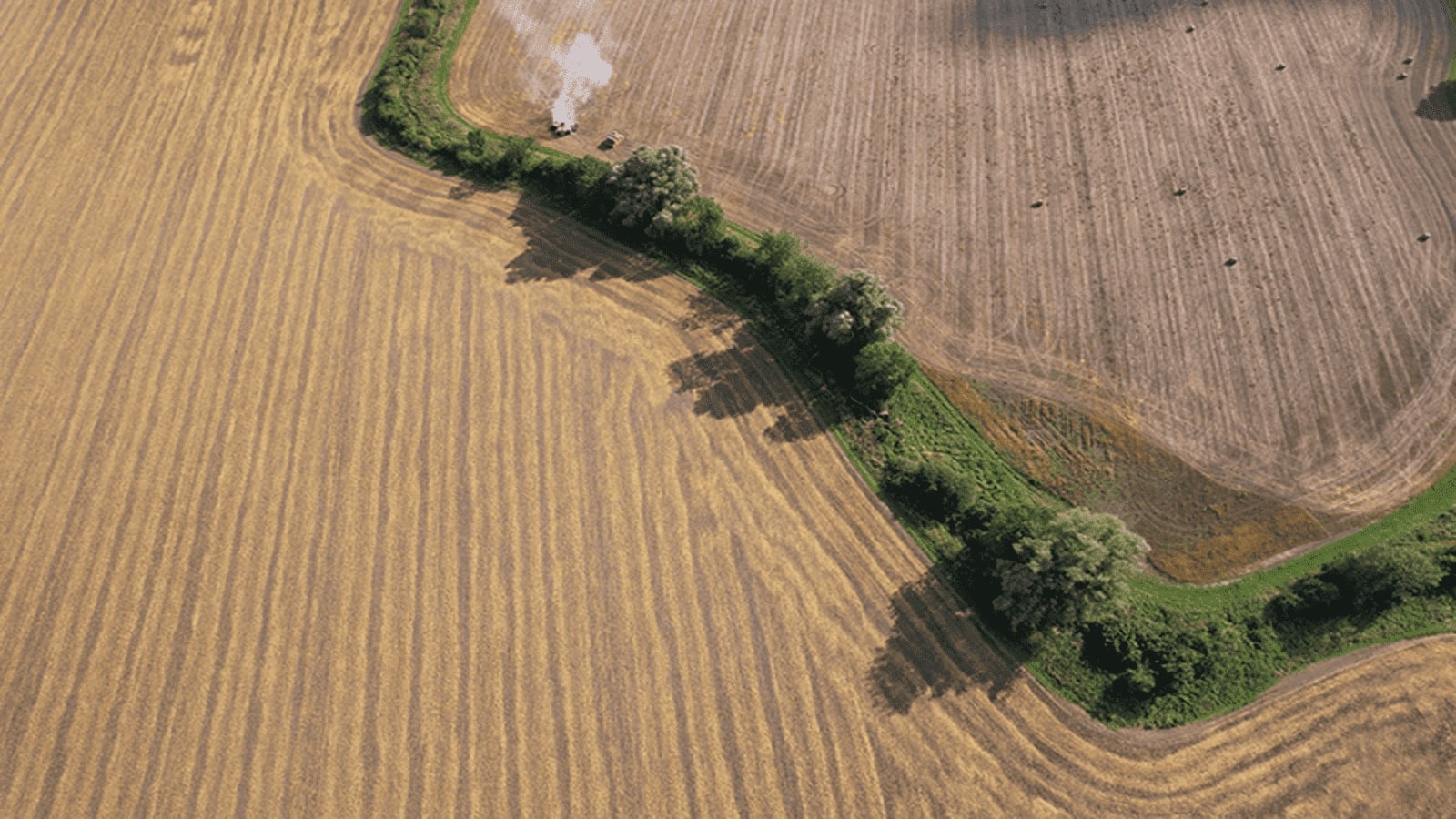
Green Belt vs Grey Belt: The Future of Land Use in the UK
For decades, the Green Belt has been a cornerstone of UK planning policy, designed to protect open countryside from unchecked urban sprawl. Stretching across millions of acres around major cities, it preserves natural landscapes, supports biodiversity, and provides breathing space for communities. But as housing shortages intensify, the concept of the “Grey Belt” has entered the conversation — a potential compromise between rigid protection and necessary development.
Much of the urbanised areas surrounding Birmingham fall within the Green Belt to control unrestricted sprawl. Towns such as Bromsgrove and parts of Solihull, and their villages are almost entirely designated Green Belt. Whilst this limits the amount of development that can happen in these areas, the planning world is shifting to address housing shortages. The NPPF outlines key policy exemptions to allow development in the Green Belt, one of them being the introduction of the ‘Grey Belt’.
What is the Green Belt?
First established after World War II, the Green Belt is land legally protected from most forms of development. Its primary aims are:
- Preventing urban sprawl.
- Safeguarding the countryside.
- Preserving the character of historic towns.
- Supporting recreational spaces and nature.
In total, about 12.6% of land in England is designated as Green Belt — but not all of it is pristine countryside. Some areas are disused, degraded, or of little environmental value, yet they still fall under the same strict rules.
Enter the Grey Belt
The term “Grey Belt” has been used to describe these underperforming or low-value parcels of Green Belt land — such as:
- Disused industrial sites.
- Abandoned car parks.
- Scrubland with little ecological benefit.
- Edges of infrastructure corridors (like motorways).
Unlike rolling hills or active farmland, these areas don’t deliver the same environmental or community value. The idea is that by carefully identifying and reclassifying “Grey Belt” sites, the UK could unlock new land for housing and infrastructure without eroding the true spirit of the Green Belt.
Why the Debate Matters
The UK faces a severe housing shortage, with demand outstripping supply, especially in and around London, Manchester, and Birmingham. Developing Grey Belt sites could:
- Provide space for affordable housing close to where people work.
- Reduce pressure on genuine countryside.
- Support regeneration of neglected urban fringes.
However, critics argue that introducing a “Grey Belt” designation risks a slippery slope, where developers gradually push deeper into protected land. Others say the solution lies not in new land release, but in making better use of brownfield sites within existing urban areas.
A Balancing Act for the Future
The Green Belt remains politically and emotionally charged — for many, it symbolises the countryside itself. Yet, as cities grow and housing crises deepen, pressure to reconsider how it’s used will only intensify. The Grey Belt concept might offer a middle ground, ensuring protection where it matters most while adapting outdated boundaries for modern needs.
Ultimately, the debate is about more than land. It’s about what kind of places we want to live in, how we balance nature with growth, and whether planning policy can evolve to meet 21st-century challenges without losing sight of its original vision.
